Preparing More Than Clinicians: Dr. Kimberly Wieringa and Northeast's New PA Program
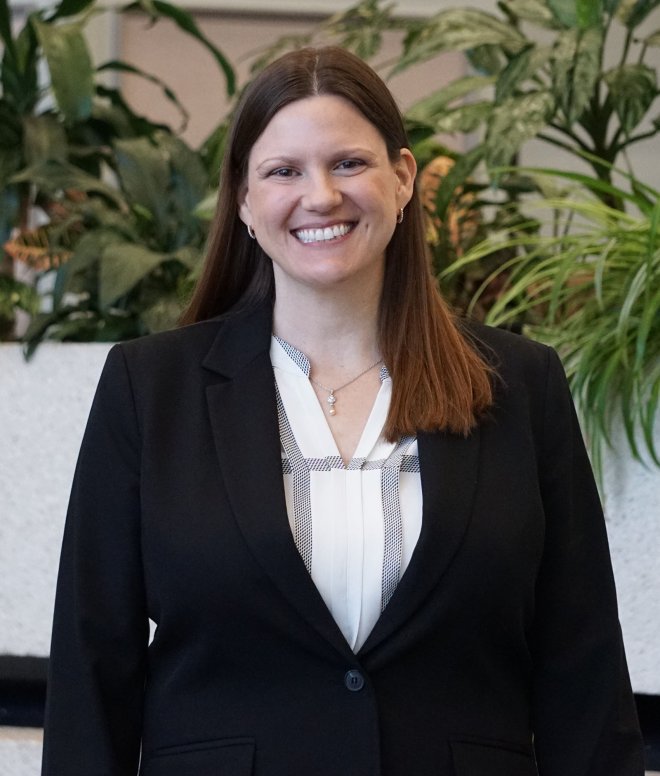
Meet Dr. Kimberly Wieringa.
Education: DMSc, MPAS, MSH, PA-C, CAQ-HM, PA Assistant Professory
When Dr. Kimberly Wieringa reflects on what first drew her to the physician assistant profession, she doesn't start with medicine. She starts with people.
"I was drawn to the PA profession because it uniquely combines the science of medicine with meaningful patient relationships and collaborative, team-based care," she said.
That balance between clinical excellence and human connection has defined Wieringa's career. Now she brings that same philosophy to new generations of learners as an assistant professor in Northeast College of Health Sciences’ M.S. in Physician Assistant Studies program who helped shape the program from the ground up.
Preparing Next- Level PAs
For Wieringa, the appeal of becoming a physician assistant was the profession's flexibility and the opportunity to make a meaningful impact across clinical settings and specialties. That versatility has shaped a career spanning clinical medicine, higher education and program leadership.
As a practicing PA-C and educator, Wieringa is passionate about helping students bridge the gap between classroom learning and patient care. Her commitment to student success reflects Northeast's vision for a Physician Assistant Studies program that delivers innovative, rigorous training and prepares graduates to lead in modern healthcare while meeting the needs of diverse patients and communities.
Questions with Northeast College Assistant Professor Dr. Kimberly Wieringa
What does great patient care mean to you, and how will Northeast prepare graduates to provide it?
Great patient care means delivering evidence-based medicine with empathy, humility, effective communication, and respect for each patient’s unique needs. Northeast’s program is being intentionally designed to prepare graduates for that responsibility through strong foundational medical education, clinical integration, faculty mentorship, and an emphasis on professionalism, teamwork, and patient-centered care.
From your perspective, what sets this new PA program apart?
One of the greatest strengths of this program is the intentionality behind its development. Most of our faculty members bring experience from other established PA programs, allowing us to thoughtfully incorporate best practices while creating a curriculum that prioritizes academic rigor, student support, collaboration, and team-based learning. In addition, our PA-C faculty represents diverse clinical backgrounds and specialties, which allows us to bring real-world clinical perspectives and experiences directly into the classroom to prepare students for today's healthcare practice.
What do you want students to take away from your classroom?
I want students to leave my classroom with not only a strong foundation of medical knowledge, but also the ability to think critically, communicate effectively, and apply their learning compassionately. My goal is to help develop adaptable, humble clinicians who are well prepared in the fundamentals of medicine and committed to continual growth throughout their careers.
Dr. Kimberly Wieringa brings extensive experience in physician assistant education and clinical practice to Northeast's new PA program.
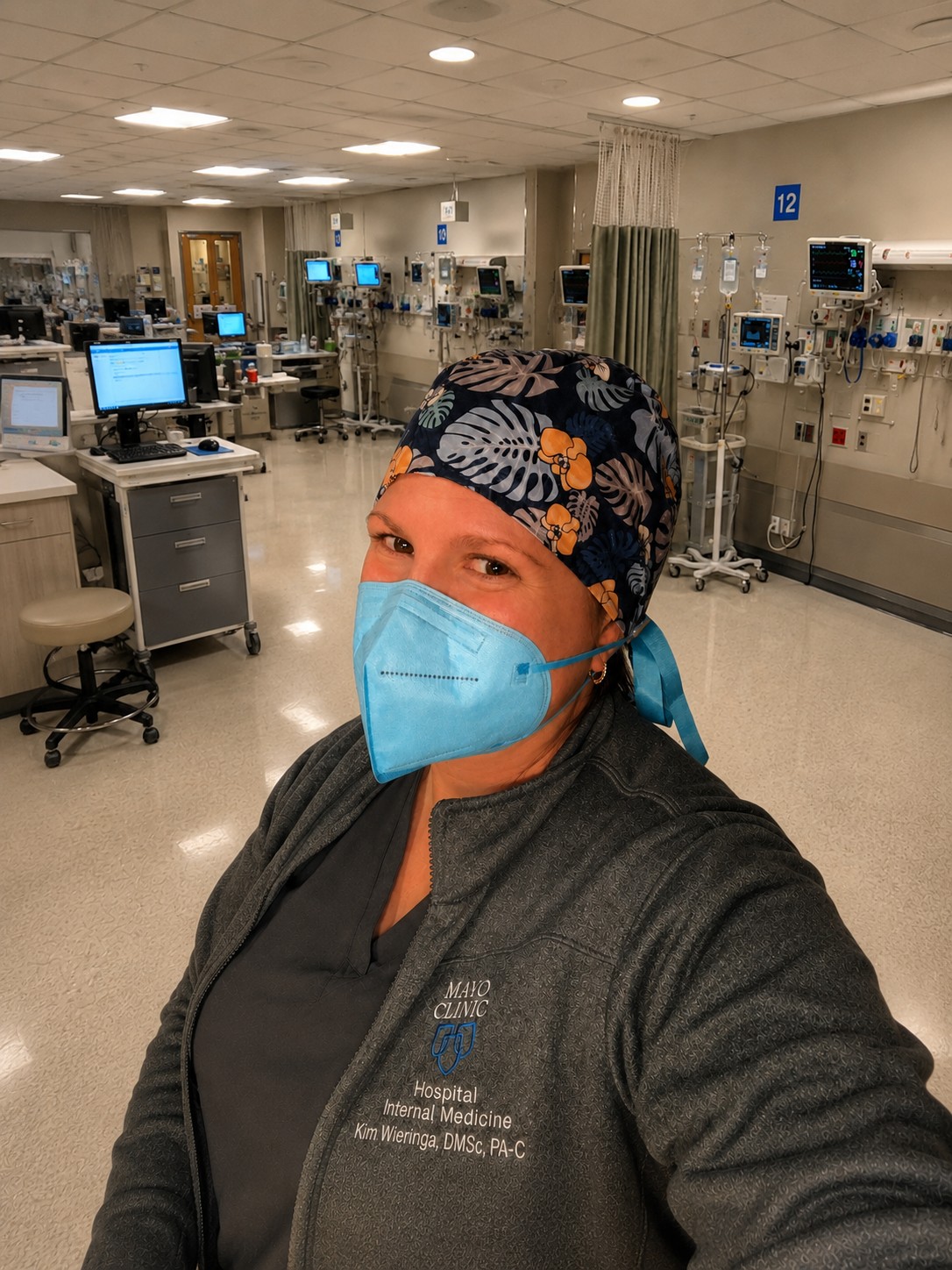
Areas of Expertise
- Clinical medicine instruction
- Pharmacology
- Gastroenterology
- Nephrology
- Infectious disease education
- Clinical reasoning and board exam preparation
Building Strong Programs
Wieringa has played key roles in the PA program as part of curriculum development, assessment design, accreditation preparation and academic leadership, helping shape educational experiences that prepare students for success in both the classroom and clinical settings.
National Leadership
Beyond Northeast, Wieringa contributes to the profession through volunteer service with the National Commission on Certification of Physician Assistants (NCCPA), helping review and validate certification examinations used by physician assistants nationwide.